Hey there, fellow battery enthusiasts! I’m a supplier of 24V lithium batteries, and today, I wanna chat about something super important: the voltage tolerance of a 24V lithium battery. 24v Lithium Battery
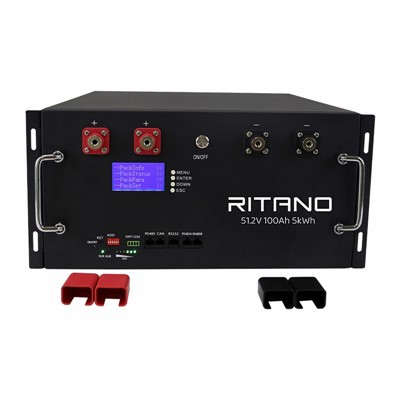
First off, let’s get into what voltage tolerance actually means. Voltage tolerance is the range within which the voltage of a battery can vary while still being considered safe and functional. For a 24V lithium battery, this isn’t a fixed number, and there are a bunch of factors that come into play.
One of the key factors affecting voltage tolerance is the type of lithium battery chemistry. There are different types like lithium – iron – phosphate (LiFePO4), lithium – cobalt – oxide (LiCoO2), and lithium – manganese – oxide (LiMnO2). Each of these has its own unique characteristics when it comes to voltage.
LiFePO4 batteries are quite popular in many applications, especially in the renewable energy and electric vehicle sectors. They have a relatively wide voltage tolerance. A fully charged 24V LiFePO4 battery usually has a voltage around 28.8V. That’s because the nominal voltage of a single LiFePO4 cell is about 3.2V, and a 24V battery is typically made up of 8 cells in series (3.2V x 8 = 25.6V nominal, but it can go up to around 3.6V per cell when fully charged, so 3.6V x 8 = 28.8V). On the discharge side, the lower limit of voltage tolerance for a 24V LiFePO4 battery is usually around 20V. This is because if the voltage drops too low, it can cause irreversible damage to the battery cells, like over – discharging, which can lead to a reduced battery life and even safety issues.
On the other hand, LiCoO2 batteries have a different voltage profile. They are often used in consumer electronics because of their high energy density. For a 24V LiCoO2 battery, the fully charged voltage can be a bit lower compared to LiFePO4. A single LiCoO2 cell has a nominal voltage of around 3.7V, and for a 24V battery (usually 7 cells in series, 3.7V x 7 = 25.9V nominal), the fully charged voltage might reach around 27.3V (assuming a fully – charged cell voltage of about 3.9V per cell). The lower voltage limit for discharge is also more critical. Typically, it shouldn’t go below 21 – 22V, as going lower can cause the battery to degrade quickly and may even result in thermal runaway, which is a serious safety hazard.
Another factor that impacts voltage tolerance is the temperature. In cold temperatures, the internal resistance of a lithium battery increases. This means that the battery’s voltage can drop more rapidly during discharge, and the voltage during charging might not reach the normal fully – charged level as easily. For example, in extremely cold weather, say around – 20°C, a 24V LiFePO4 battery might have a lower upper – bound voltage tolerance and a higher lower – bound voltage tolerance. When the battery is cold, charging it at too high a rate can cause lithium plating on the electrodes, which is really bad for the battery’s long – term health.
In hot temperatures, the opposite can happen. The battery’s voltage can be higher than normal, and the self – discharge rate increases. High temperatures also speed up the chemical reactions inside the battery, which can lead to accelerated degradation if the voltage isn’t kept within the proper tolerance range. So, it’s super important to have proper temperature management when using 24V lithium batteries.
The charging and discharging rate also matters. If you’re charging or discharging a 24V lithium battery at a high rate, the voltage can deviate more from the normal values. For instance, when charging a battery at a high current, the voltage at the battery terminals can be higher than the actual potential of the cells due to the internal resistance of the battery. During high – rate discharge, the voltage can drop more quickly. So, if you’re using a high – power application, you need to be extra careful about monitoring the voltage to make sure it stays within the tolerance range.
Now, why is all this voltage tolerance stuff so important? Well, if you operate a 24V lithium battery outside of its voltage tolerance range, it can have some serious consequences. Over – charging a battery can cause the electrolyte to break down, generate gas, and even lead to a fire or explosion in extreme cases. Over – discharging can damage the electrodes, reduce the battery’s capacity, and shorten its lifespan significantly.
As a 24V lithium battery supplier, I always make sure to provide my customers with detailed information about the voltage tolerance of the batteries I sell. I also offer advice on how to properly charge and discharge the batteries to keep them within the safe voltage range. Whether you’re using a 24V lithium battery for a solar power storage system, an electric vehicle, or an industrial application, understanding the voltage tolerance is crucial for getting the most out of your battery and ensuring its safety.
If you’re in the market for a reliable 24V lithium battery, I’m here to help. I’ve got a wide range of high – quality 24V lithium batteries with different chemistries to suit your specific needs. Whether you need a battery with a wide voltage tolerance for a harsh environment or a high – energy – density battery for a power – hungry application, I can provide the right solution.

So, if you’re interested in learning more or making a purchase, just reach out to me. We can have a chat about your requirements, and I’ll do my best to offer you the best 24V lithium battery solution at a competitive price.
Nmc Pouch Cell References:
- Battery University: Lithium – Ion Battery Basics
- Journal of Power Sources: Studies on Lithium Battery Voltage Characteristics
- International Journal of Electrochemical Science: Impact of Temperature on Lithium Battery Performance
Dongguan Ritano New Energy Co., Ltd.
With abundant experience, we are one of the most reliable 24v lithium battery manufacturers and suppliers in China. We warmly welcome you to wholesale customized 24v lithium battery made in China here from our factory. If you have any enquiry about quotation, please feel free to email us.
Address: Building 27, Jewelry Park, Huanchang North Road, Changping Town, Dongguan City, Guangdong Province
E-mail: Umi.sales@ritano.cn
WebSite: https://www.ritanopower.com/
