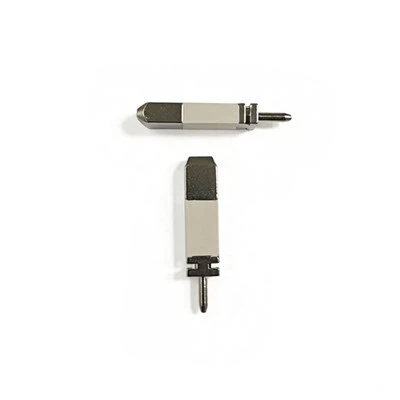
Yo, what’s up! I’m a supplier of Electrical Brass Switch Socket Parts, and today I wanna chat about how to adjust the parameters of these parts. It’s a topic that’s super important for anyone who’s dealing with electrical stuff, whether you’re a DIY enthusiast or a professional electrician. Electrical Brass Switch Socket Part
Why Parameter Adjustment Matters
Before we dive into the how – to, let’s talk about why adjusting the parameters of electrical brass switch socket parts is such a big deal. You see, these parts are the little soldiers in our electrical systems. They’re responsible for making sure electricity flows safely and efficiently. If the parameters aren’t set right, it could lead to all sorts of problems, like overheating, short – circuits, or even electrical fires. That’s why getting these adjustments spot – on is crucial for the safety and performance of any electrical setup.
Understanding the Key Parameters
Alright, so what are these parameters we’re talking about? There are a few that really stand out.
Contact Resistance
Contact resistance is all about how well the electrical current can flow through the contact points in the switch or socket. If the contact resistance is too high, it means there’s more opposition to the current flow, which can cause heat build – up. This is a major no – no, as excessive heat can damage the parts over time. To adjust contact resistance, you might need to clean the contact surfaces. Brass can develop a layer of oxidation, which increases resistance. You can use a fine – grit sandpaper to gently remove this layer, making sure to be careful not to scratch the surface too much. Another thing you can do is make sure the contacts are properly aligned. Sometimes, just a little misalignment can cause an increase in resistance.
Thermal Rating
The thermal rating of a switch or socket part tells you how much heat it can handle without melting or deforming. This is super important, especially in high – power applications. If you’re using a part in an environment where there’s a lot of electrical load, you need to make sure its thermal rating is up to the task. You can adjust the thermal rating by choosing the right material thickness. Thicker brass parts can generally handle more heat because they have a larger mass to dissipate the heat. Also, proper ventilation around the parts can help keep the temperature down. You might need to design a housing that allows for good air circulation to prevent overheating.
Dielectric Strength
Dielectric strength is all about the ability of the insulation material in the switch or socket to prevent electrical breakdown. In simple terms, it stops electricity from "leaking" where it shouldn’t. If the dielectric strength is too low, there’s a risk of electrical arcing, which can be dangerous. To adjust the dielectric strength, you can choose insulation materials with a higher dielectric constant. There are all sorts of high – quality insulating plastics and ceramics available these days. You also need to make sure there are no gaps or cracks in the insulation. Any damage to the insulation can compromise its dielectric strength.
Tools You’ll Need
Now that we know what parameters we’re working with, let’s talk about the tools you’ll need to make these adjustments.
Multimeter
A multimeter is an absolute must – have. It’s like the Swiss Army knife of electrical tools. You can use it to measure contact resistance, voltage, and current. By taking regular measurements with a multimeter, you can keep an eye on how the parameters are changing and make adjustments as needed.
Screwdrivers
You’ll need different sizes of screwdrivers to open up the switch and socket parts. Some parts are held together with tiny screws, and having the right tools will make it a lot easier to access the internal components for adjustment.
Sandpaper
As I mentioned earlier, sandpaper is great for cleaning the contact surfaces to reduce contact resistance. Make sure you use a fine – grit sandpaper, like 220 – grit, to avoid causing any damage.
Step – by – Step Adjustment Process
Let’s go through a step – by – step process of adjusting these parameters.
Step 1: Disconnect the Power
This is the most important step. Before you even think about adjusting any parameters, make sure the power is completely disconnected. You don’t want to get electrocuted, right? So, turn off the circuit breaker or unplug the device.
Step 2: Inspect the Parts
Take a good look at the switch or socket parts. Check for any visible signs of damage, like cracks in the insulation or corrosion on the contact surfaces. If you find any problems, you might need to replace the part instead of just adjusting the parameters.
Step 3: Measure the Current Parameters
Use your multimeter to measure the contact resistance, voltage, and any other relevant parameters. Write down these measurements so you can compare them later and see if your adjustments are having the desired effect.
Step 4: Adjust the Contact Resistance
If the contact resistance is too high, use your sandpaper to gently clean the contact surfaces. Make sure to remove any oxidation or dirt. After cleaning, measure the contact resistance again to see if it has decreased. If it’s still too high, you might need to check the alignment of the contacts and make any necessary adjustments.
Step 5: Check and Adjust the Thermal Rating
Look at the environment where the part is installed. If it’s getting too hot, check the ventilation. You might need to add some air vents or move the part to a more ventilated area. If the part is still overheating, you could consider replacing it with a part with a higher thermal rating.
Step 6: Assess the Dielectric Strength
Inspect the insulation for any damage. If there are any cracks or gaps, you can use an appropriate insulating material to repair them. If the damage is too severe, it’s probably best to replace the part.
Step 7: Re – measure and Test
After making all your adjustments, use the multimeter to measure the parameters again. Make sure they’re within the acceptable range. Then, carefully reconnect the power and test the switch or socket to make sure it’s working properly.
Common Mistakes to Avoid
When adjusting the parameters of electrical brass switch socket parts, there are a few common mistakes that you should steer clear of.
Skipping the Power Disconnect
As I said before, always disconnect the power before you start working on any electrical parts. It’s not worth the risk of getting electrocuted.
Over – Tightening Screws
When you’re opening or closing the parts, be careful not to over – tighten the screws. This can cause damage to the housing or misalign the internal components, which can affect the performance of the part.
Using the Wrong Tools
Make sure you’re using the right tools for the job. Using a tool that’s too big or too small can cause damage to the parts and make the adjustment process more difficult.
Conclusion
So, there you have it! Adjusting the parameters of electrical brass switch socket parts isn’t rocket science, but it does require a bit of knowledge and the right tools. By understanding the key parameters, using the proper adjustment techniques, and avoiding common mistakes, you can ensure that your electrical systems are safe and performing at their best.
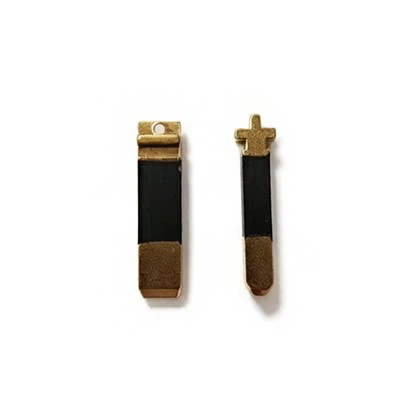
Cn Standard Plug Pin If you’re in the market for high – quality Electrical Brass Switch Socket Parts, I’m your guy. I’ve got a wide range of parts that are designed to meet all your electrical needs. Whether you’re working on a small DIY project or a large – scale commercial installation, I’ve got you covered. Reach out to me if you’re interested in purchasing these parts. We can have a chat about your specific requirements and find the perfect solutions for you.
References
- Electrical Installation Handbook, Schneider Electric
- Electrical Engineering: Principles and Applications, Allan R. Hambley
Dongguan Fangrun Metal Products Co., Ltd.
We’re well-known as one of the leading electrical brass switch socket part manufacturers in China, specialized in providing high quality customized products. Please feel free to buy discount electrical brass switch socket part made in China here from our factory. For quotation and free sample, contact us now.
Address: New Town Industrial Zone,Xiegang Village,Xie Gang Town,Dongguan City
E-mail: 825556703@qq.com
WebSite: https://www.fangrunpin.com/
