As a supplier of mains plugs, ensuring the continuity of these crucial electrical components is of utmost importance. In this blog, I will share comprehensive insights on how to check the continuity of a mains plug, from understanding the basic principles to the practical steps involved. Mains Plug
Understanding the Concept of Continuity
Before delving into the checking process, it’s essential to understand what continuity means in the context of a mains plug. Continuity refers to the unbroken flow of electrical current through a circuit. In a mains plug, this means that there should be a continuous path for electricity to travel from the power source to the appliance connected to the plug. A break in continuity can lead to various issues, such as electrical failures, short – circuits, and even pose a safety hazard.
Tools Required for Checking Continuity
To check the continuity of a mains plug, you will need the following tools:
- Multimeter: This is the most crucial tool. A multimeter can measure various electrical properties, including resistance. When set to the continuity mode, it emits a beep or shows a low resistance value if there is a continuous path in the circuit.
- Screwdriver: You will need a screwdriver to open the mains plug. Make sure to use the appropriate type of screwdriver, as different plugs may have different screw types.
Pre – Check Safety Precautions
Safety should always be the top priority when working with electrical components. Before starting the continuity check, follow these safety precautions:
- Turn off the power: Ensure that the mains plug is not connected to a power source. This will prevent the risk of electric shock.
- Inspect the plug visually: Look for any visible signs of damage, such as cracks, burns, or loose wires. If you notice any significant damage, the plug may need to be replaced rather than just checked for continuity.
Step – by – Step Guide to Checking Continuity
Step 1: Open the Mains Plug
Using the screwdriver, carefully remove the screws on the plug’s casing. Gently open the plug to expose the internal wiring. Be cautious not to damage the wires or other components inside.
Step 2: Identify the Wires
Inside the mains plug, you will typically find three wires: the live wire (usually brown), the neutral wire (usually blue), and the earth wire (usually green and yellow). It’s important to correctly identify these wires as they serve different functions in the electrical circuit.
Step 3: Set the Multimeter
Turn on the multimeter and set it to the continuity mode. This mode is usually indicated by a symbol that looks like a sound wave or a diode. Some multimeters may also have a dedicated continuity setting.
Step 4: Check the Live Wire
Take the probes of the multimeter and touch one probe to the end of the live wire inside the plug and the other probe to the corresponding pin on the plug. If the multimeter emits a beep or shows a very low resistance value (close to zero), it indicates that there is continuity in the live wire. Repeat this process for the entire length of the live wire, checking at different points if necessary.
Step 5: Check the Neutral Wire
Follow the same procedure as for the live wire. Touch one probe to the end of the neutral wire and the other probe to the neutral pin on the plug. A beep or low resistance reading means that the neutral wire has continuity.
Step 6: Check the Earth Wire
The earth wire is crucial for safety. Connect one probe of the multimeter to the end of the earth wire and the other probe to the earth pin on the plug. A proper continuity check will show a low resistance reading, indicating that the earth wire is functioning correctly.
Step 7: Check the Connections
In addition to checking the individual wires, it’s important to check the connections between the wires and the pins inside the plug. Make sure that the wires are securely attached to the pins and that there is no loose contact. Use the multimeter to check the continuity at these connection points as well.
Interpreting the Results
- Good Continuity: If the multimeter beeps and shows a low resistance value for all the wires and connections, it means that the mains plug has good continuity. The plug is likely to function properly and can be safely used.
- No Continuity: If the multimeter does not beep or shows a very high resistance value, it indicates a break in continuity. This could be due to a damaged wire, a loose connection, or a faulty pin. In such cases, the plug may need to be repaired or replaced.
Importance of Regular Continuity Checks
Regularly checking the continuity of mains plugs is essential for several reasons:
- Safety: A plug with poor continuity can pose a significant safety risk, such as electric shock or fire. By ensuring proper continuity, you can minimize these risks.
- Reliability: Continuity checks help to identify potential issues before they cause a complete electrical failure. This ensures that your electrical appliances operate reliably.
- Compliance: In many regions, there are strict electrical safety regulations. Regular continuity checks can help you ensure that your mains plugs meet these standards.
Why Choose Our Mains Plugs
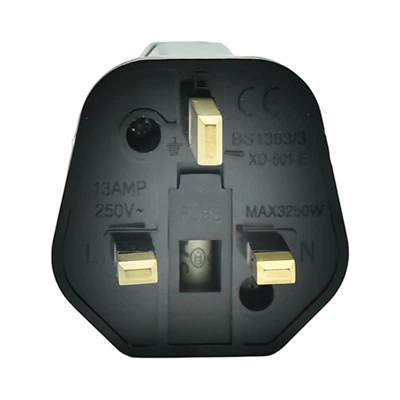
As a leading supplier of mains plugs, we take pride in offering high – quality products. Our plugs are manufactured using the latest technology and undergo rigorous quality control processes. We ensure that each plug has excellent continuity and meets all the necessary safety standards.
Socket If you are in the market for reliable mains plugs, we invite you to contact us for a procurement discussion. Our team of experts is ready to assist you in finding the right plugs for your specific needs. Whether you are a small business or a large industrial enterprise, we have the capacity to meet your requirements.
References
- Electrical Installation Handbook, 18th Edition
- National Electrical Code (NEC)
- International Electrotechnical Commission (IEC) standards on electrical safety
Foshan Haosheng Technology Co., Ltd.
As one of the leading mains plug manufacturers and suppliers in China, we warmly welcome you to buy advanced mains plug made in China here and get pricelist from our factory. All customized products are with high quality and competitive price.
Address: No.4, Jinsha Liansha Shangliang Development Zone Avenue, Danzao Town, Nanhai District, Foshan City, Guangdong Province, China
E-mail: 13925140140@163.com
WebSite: https://www.hssocket.com/
